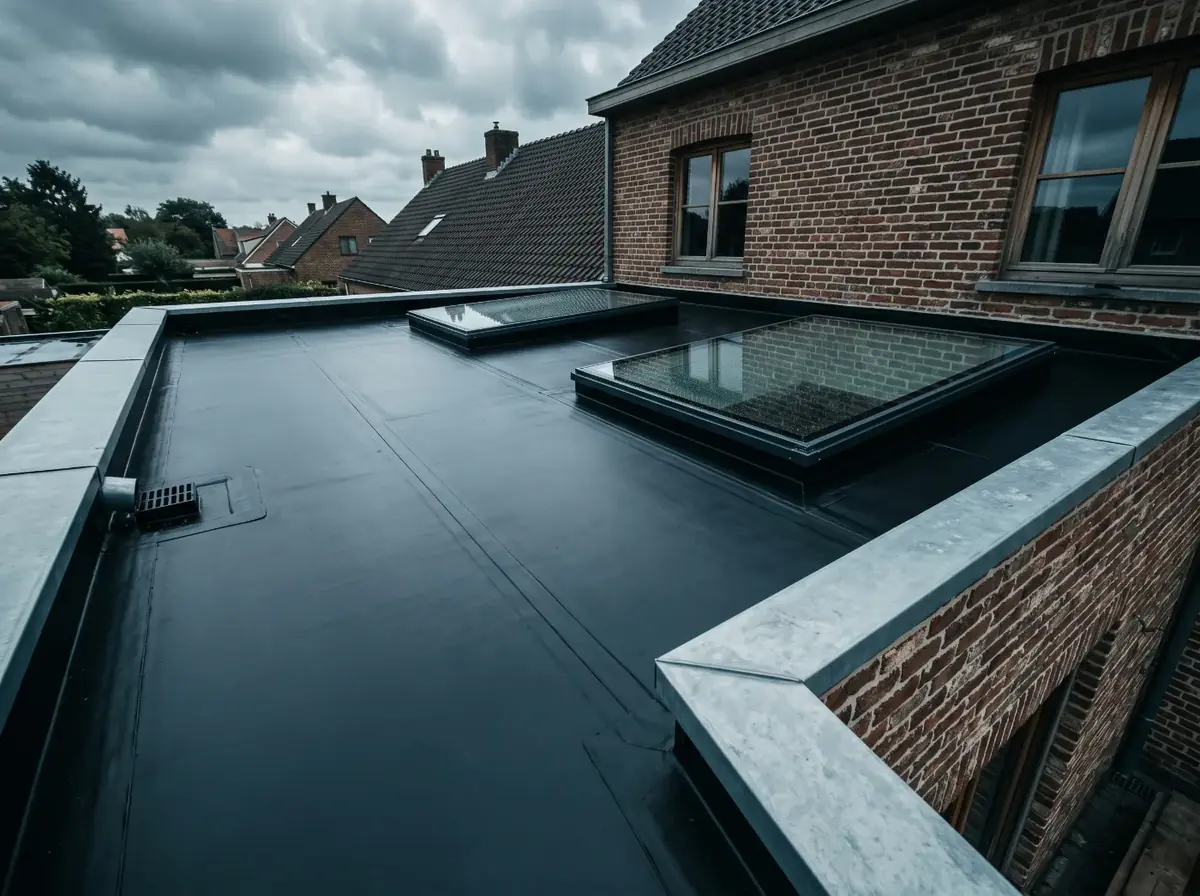
Insulating your roof is the best-value item in an energy renovation: it is where most of the heat loss from an uninsulated house goes. It is also the item where a sloppy installation does the most damage.
The mechanism, in one sentence
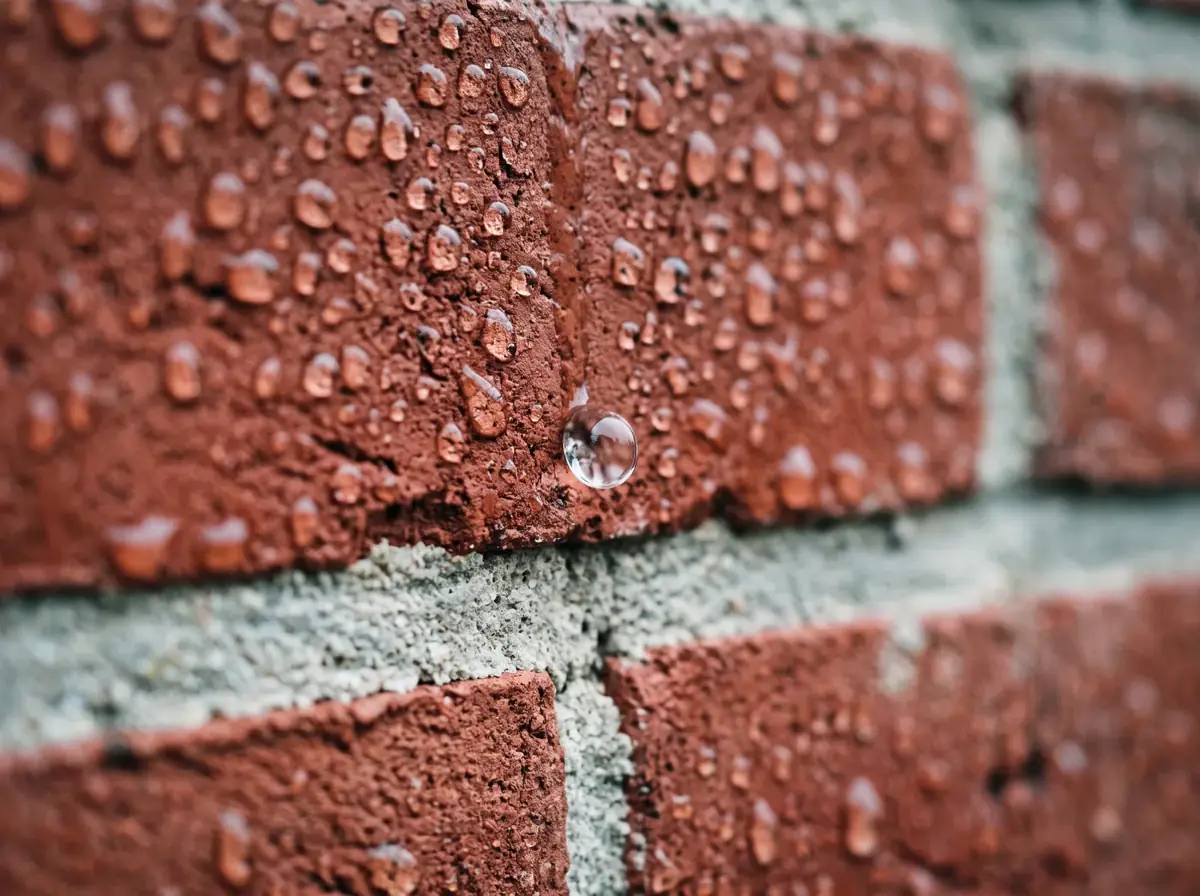
The warm air in a house carries water vapour. If it passes through the insulation it meets a cold surface, the vapour condenses there, and the water stays trapped in the wool and against the timber. Within a few winters the insulation slumps and the roof timbers are permanently damp.
The vapour barrier is not optional
It has to be continuous: overlapping strips bonded together, tape on every penetration, junctions treated at walls, openings and ducts. A vapour barrier pierced in ten places by recessed spotlights no longer does its job — it just eases the conscience.
The air gap
Between the insulation and roof covering, a ventilated air gap has to stay clear. That gap is what carries off the residual moisture. Packing the space right up to the tiles gains you two centimetres of wool and loses you the ventilation: a bad trade.
What thickness to aim for
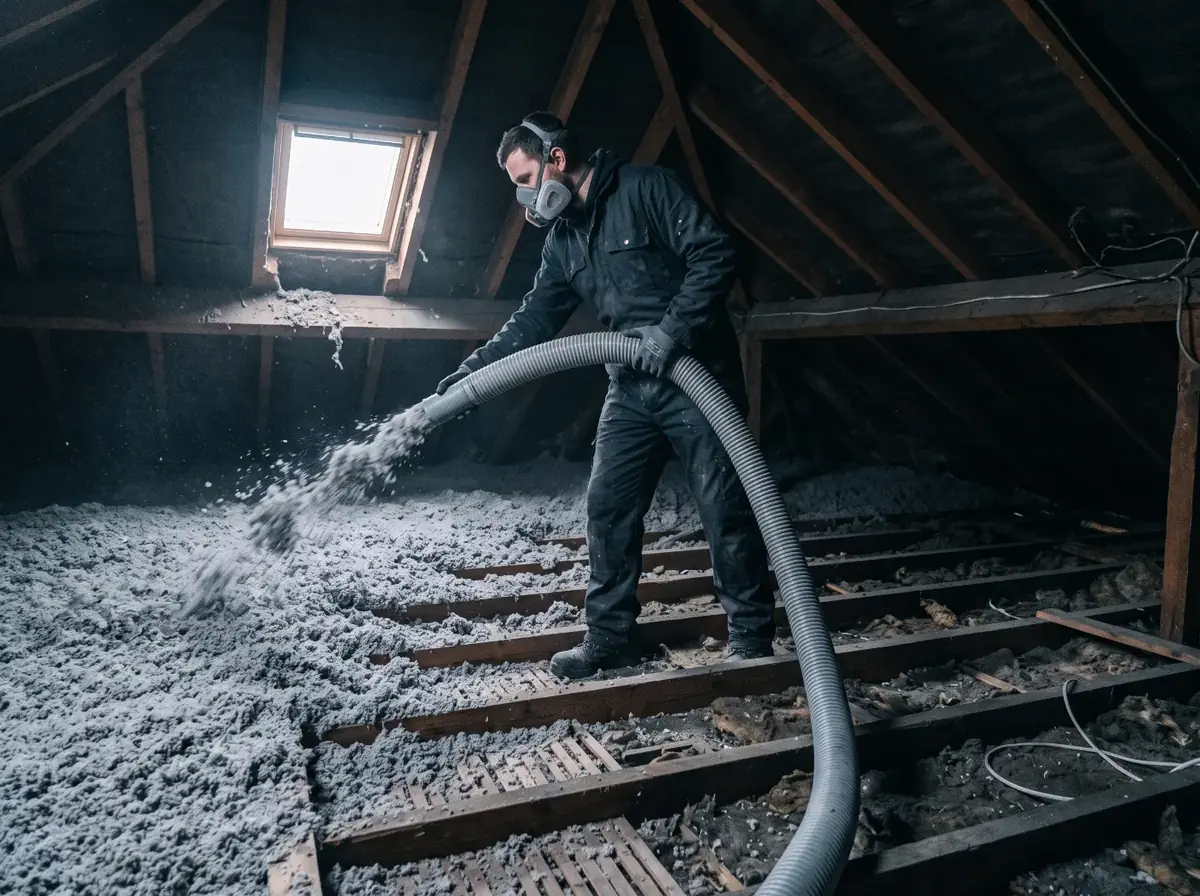
- Unconverted loft floor: 30 to 40 cm of blown cellulose or wool.
- Slope insulated between and under the rafters: 22 to 30 cm in total depending on the product’s lambda.
- Below 18 cm the gain does not pay for itself and the grants generally do not follow.
Floor or pitch?
If the loft is not lived in, insulating its floor costs less and cuts the volume you heat. If the loft is converted, or you plan to convert it, the roof slope is what needs treating. Doing both only makes sense in particular cases.
The order of operations
Treat the roof timbers if needed, repair whatever lets water in, then insulate. The other way round means wrapping an existing problem under twenty-five centimetres of wool — and having to strip it all out again to reach it.