
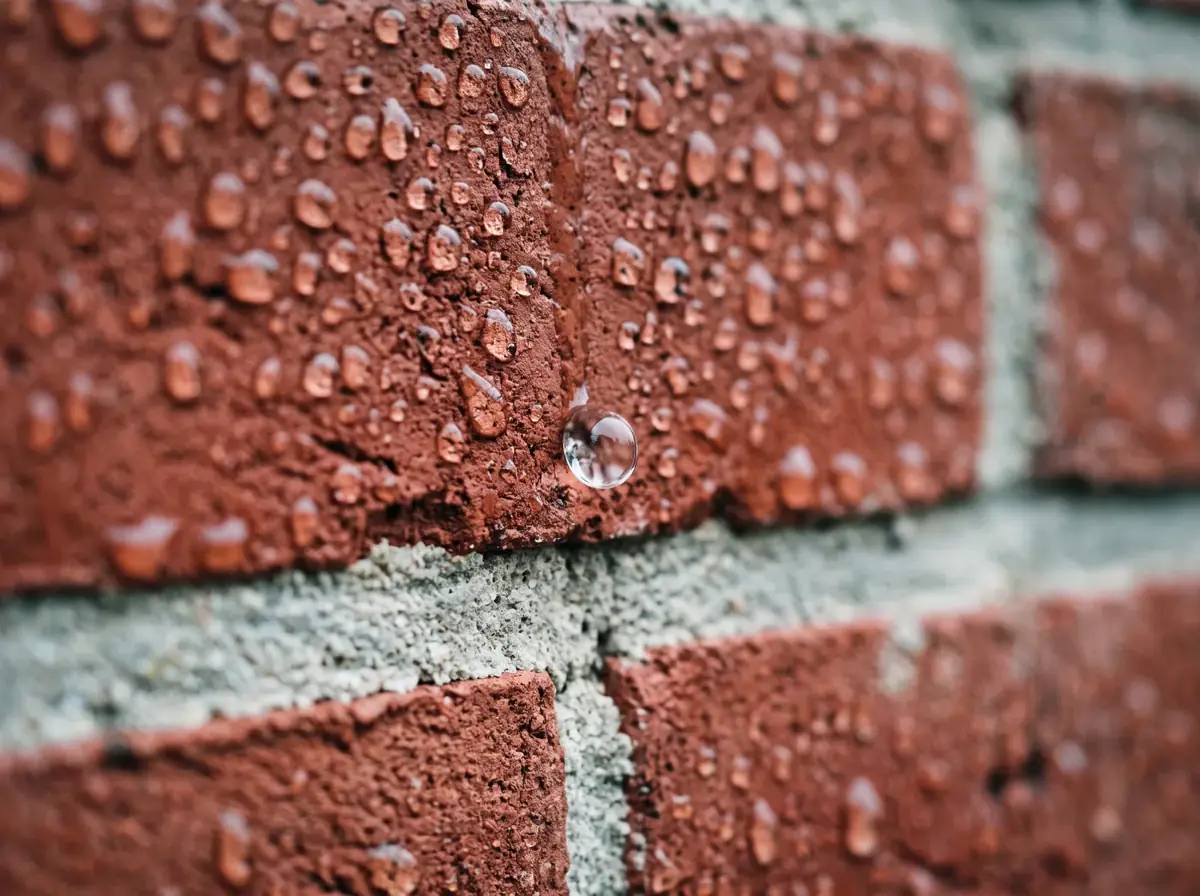
facade water repellent treatment
Cleaning, then water-repellent impregnation of the brick or render: water beads off instead of soaking in, the facade dries and stays clean for longer.
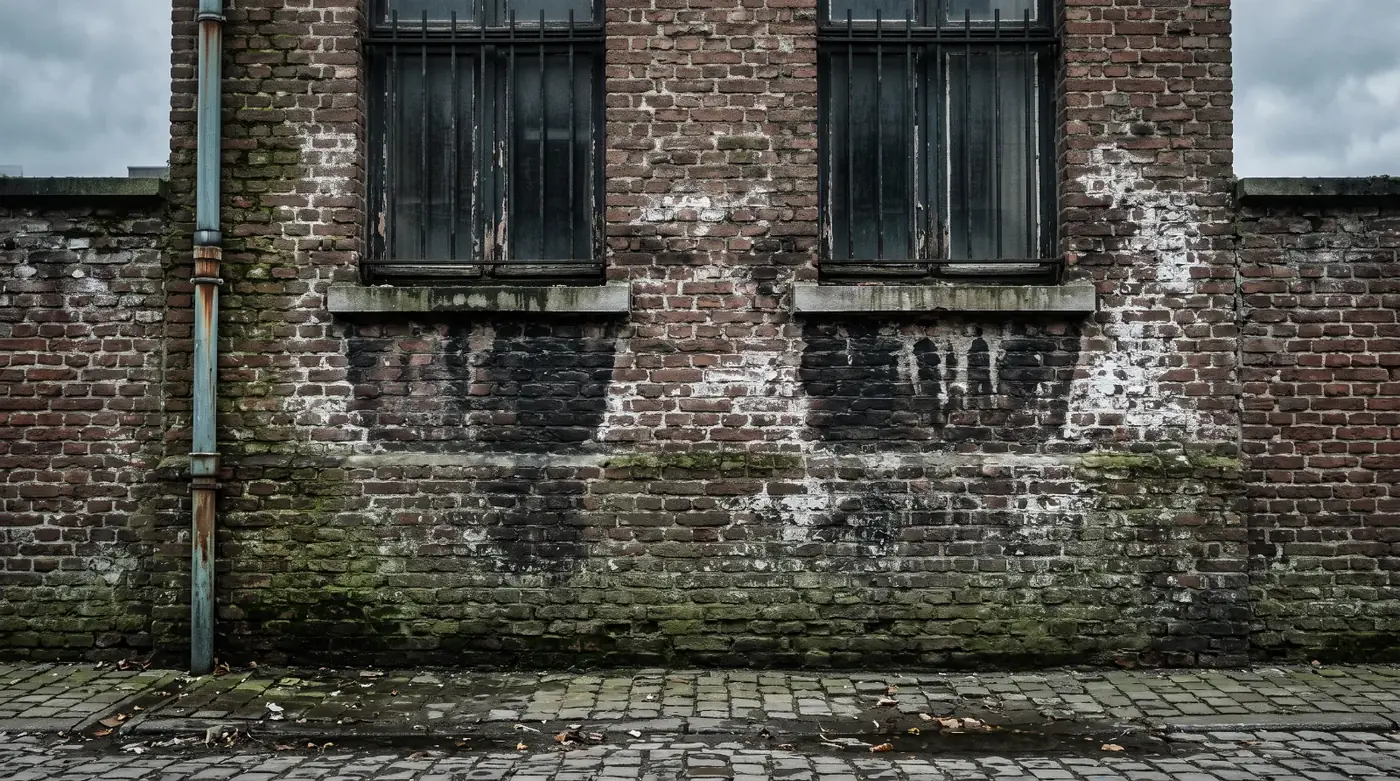
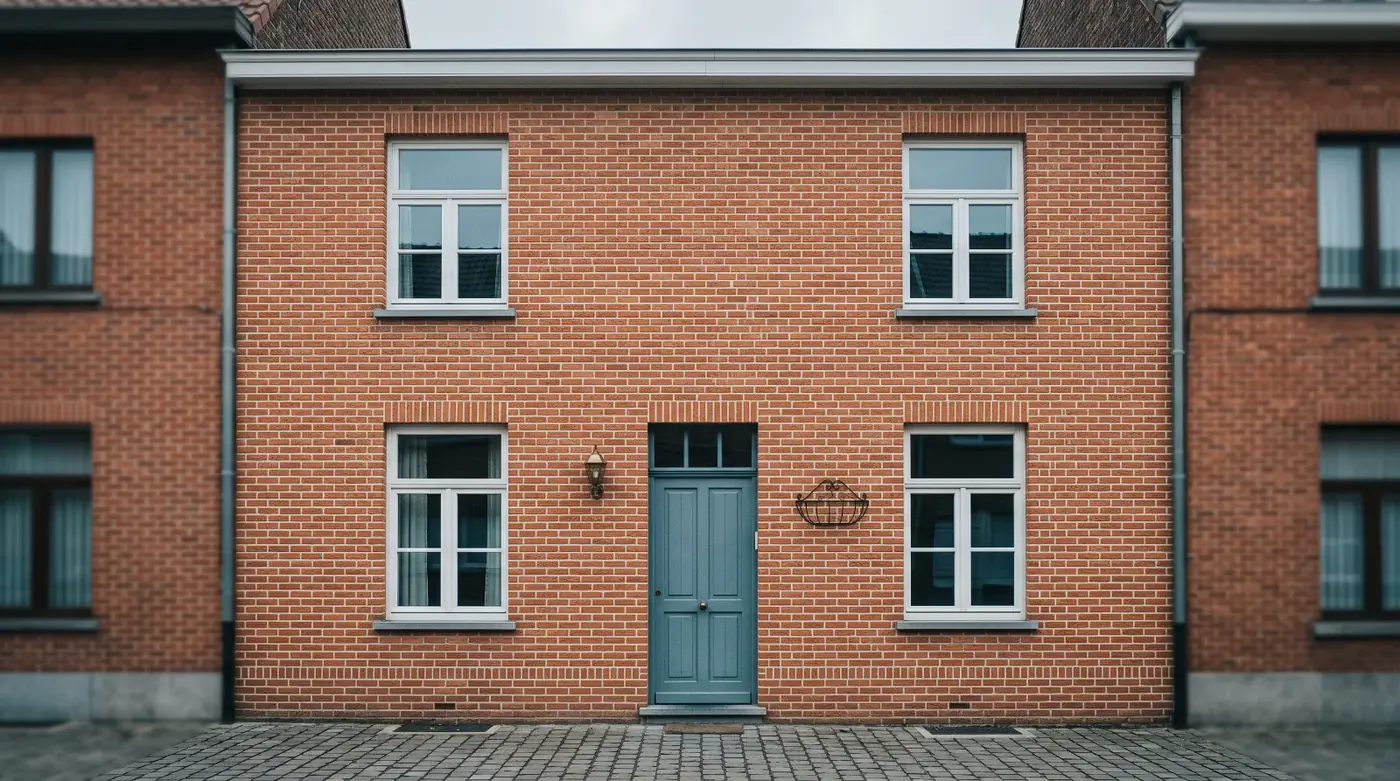 BeforeAfter
The problem
Why it matters
A late-nineteenth-century Belgian brick literally drinks the driving rain from the west. The water passes through, comes out as saltpetre inside, and in winter it blows the surface apart.
- Quote
- Priced after a site visit, free of charge and with no obligation.
- Duration
- 2 to 4 days depending on the surface area and the weather.
- Area
- 17 municipalities: Walloon Brabant, Brussels, Flemish Brabant and the province of Namur
How it runs
How we go about it
Every step exists for a reason. The ones that get skipped are exactly the ones that bring the problem back.
Diagnosis
Absorption test, condition of the joints, mapping the cracks.
Cleaning
Low pressure, plus anti-moss treatment where the facade is green.
Repairs
Repointing where the joints have eroded and treatment of the hairline cracks. A water repellent over an open joint is pointless.
Drying
48 to 72 h. That is the part we do not shorten.
Impregnation
Applied to saturation, from the bottom up, in two crossing passes.
Included in the price
What the job covers
- Documented absorption test
- Low-pressure cleaning
- Anti-moss treatment
- Spot repointing
- Colourless water-repellent treatment with a beading effect
- Protection of window frames and surroundings
Frequently asked questions
Your questions
Does the water-repellent treatment change the appearance?
A colourless product leaves the colour almost untouched, with a very slight deepening when wet. There is no glossy film.
Can the facade still breathe?
Yes, that is the whole point of an impregnation: it blocks liquid water and lets vapour through. A film-forming paint, by contrast, traps the damp inside.
How long does it last?
8 to 12 years on brick, a little less on render that is very exposed.
Does that solve a damp problem indoors?
If the damp comes from driving rain, largely yes. If it rises from the ground by capillary action, no: that is a different treatment and we say so.
And on a facade that is already painted?
The impregnation no longer penetrates. What you need then is a breathable mineral paint, not a water-repellent treatment.
Is scaffolding needed?
For two storeys, a platform or a mobile scaffold is often enough. That is costed separately and stated up front.
By municipality
Facade water repellent near you
Every municipality has its own building stock and constraints. Here is the detail for yours.
Also worth seeing
The work that goes with it
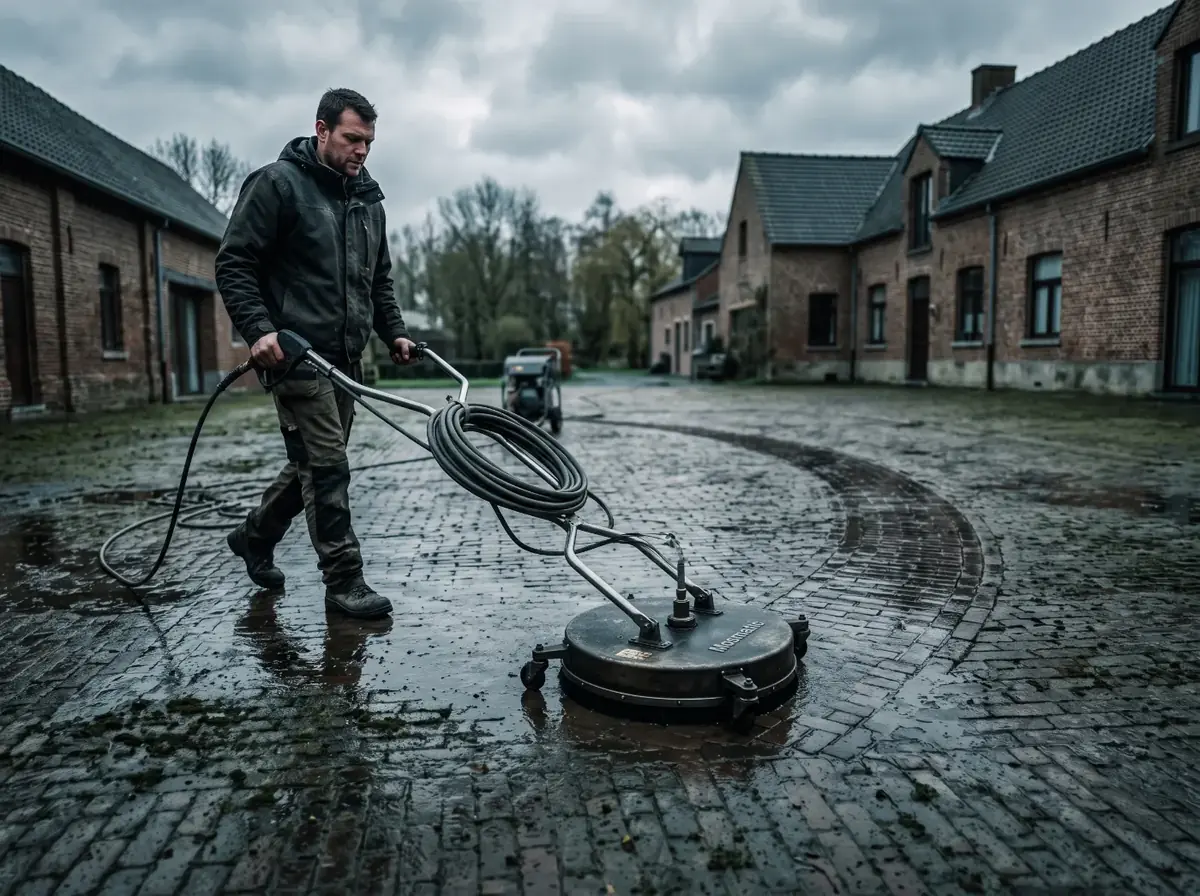
Paver cleaning
Terraces and driveways in clay pavers stripped right down, joints redone where needed, then a water-repellent that keeps the colour…
See the detail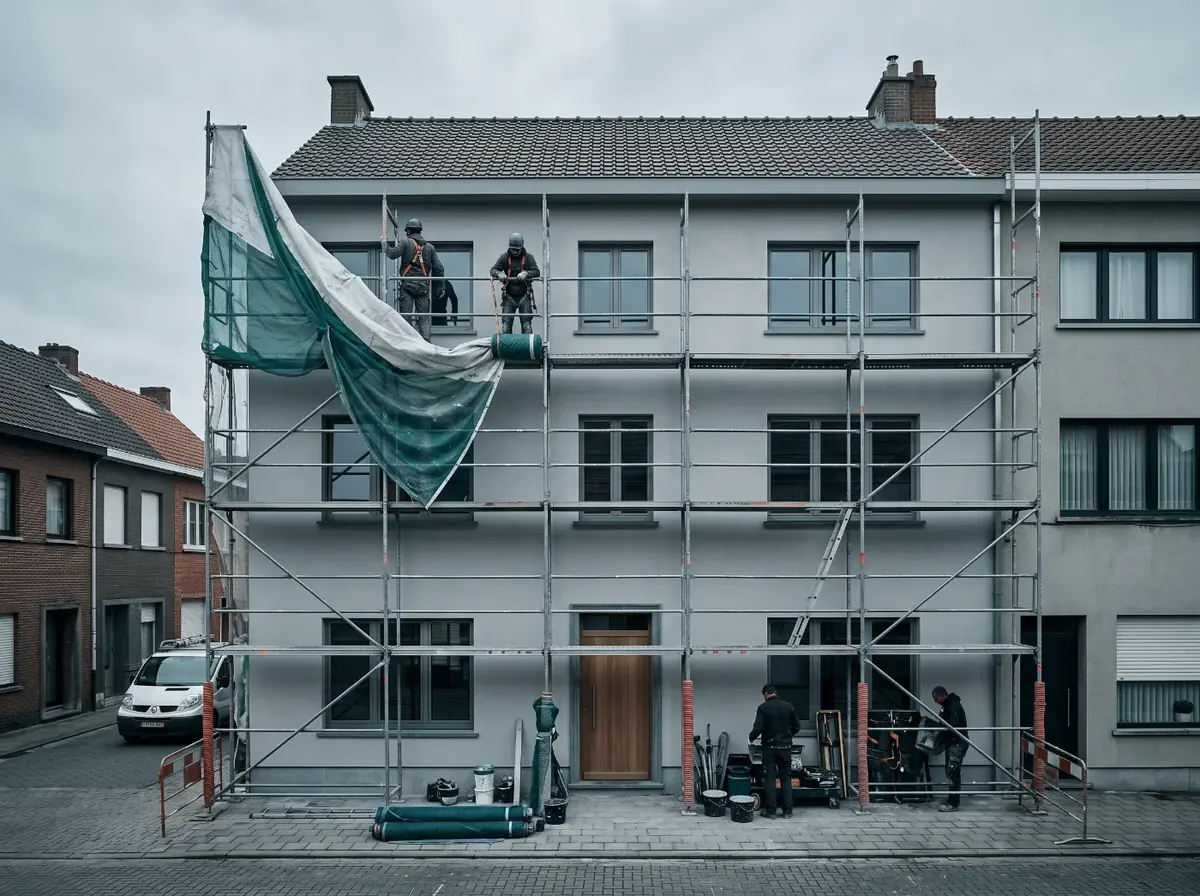
Facade renovation
Full renovation of a facade: cleaning, repair, repointing or render,…
See the detail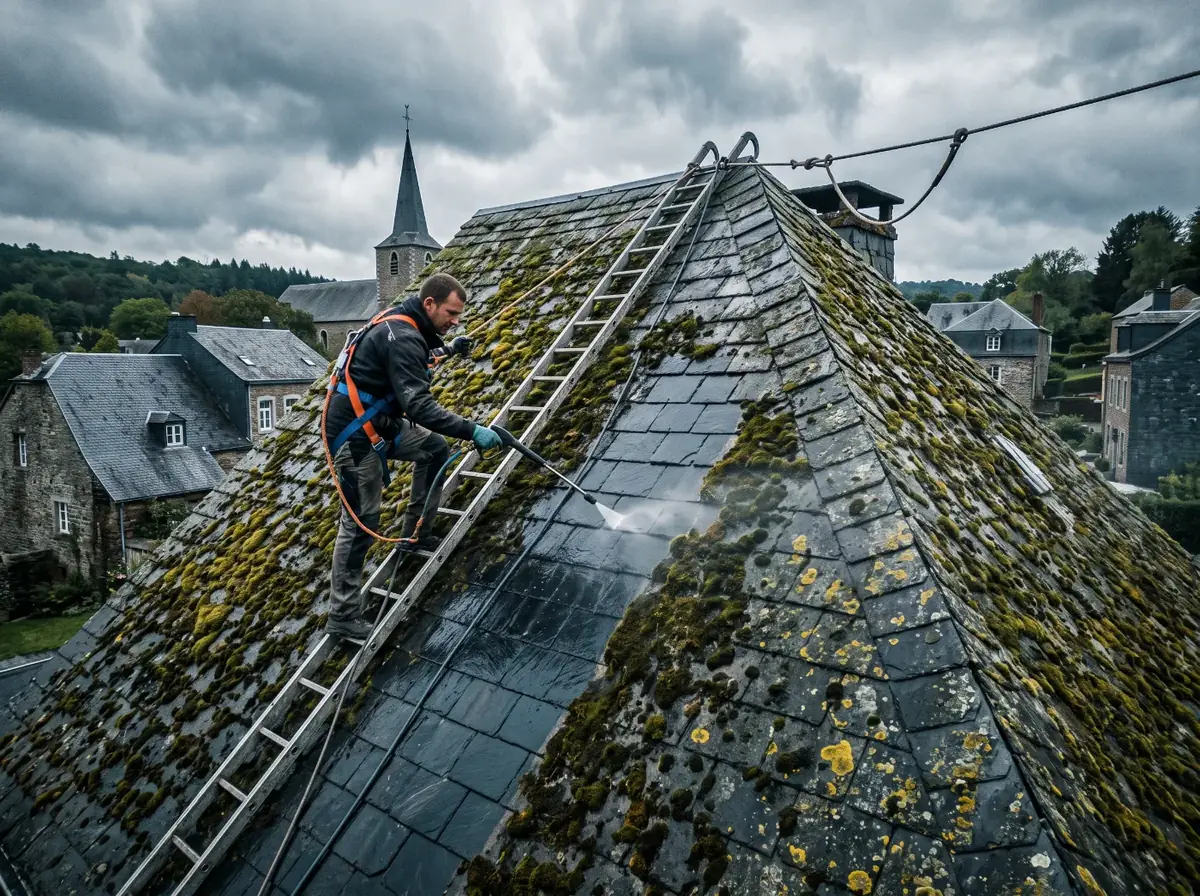
Roof moss removal
We remove the moss and lichen without damaging the tile, then apply a water-repellent treatment that stops water sitting…
See the detailRead further
What to know before you decide
Brick facade and driving rain: when a water-repellent treatment is the right answer
Telling an infiltration through the facade apart from rising damp, and choosing between impregnation, repointing and…
Read the guideWhy moss always comes back on Belgian roofs
Maritime climate, north-facing pitches, nearby trees: the three reasons a roof turns green again, and what really slows it…
Read the guideA quote for facade water repellent?
On-site visit, detailed costing within 48 h, no obligation.